An Accessible Way to Slow Down When You’re Overwhelmed: Starting a Creative Practice Without Pressure
For anyone standing in the middle of the mess — Mindful Messes, a creative, nervous-system-first approach for overwhelmed and neurodivergent moms who want to feel like themselves again.
When life feels full to the edges, most advice about “slowing down” misses the mark.
Because slowing down isn’t something you can force.
And it’s rarely something you can think your way into.
For many overwhelmed adults — especially moms — slowing down becomes another task to manage, another ideal to fall short of. Meditation feels hard. Journaling feels like too much. Even self-care starts to feel demanding.
This is where a regulating creative practice can offer a different entry point.
Not as a hobby.
Not as a productivity tool.
But as a way to begin where you actually are.
Why Beginning Is the Hardest Part
When you’re overloaded, starting is often the most activating step.
You might notice thoughts like:
I don’t have the right supplies.
I don’t know what I’m supposed to do.
I’ll just make a mess and feel worse.
That hesitation isn’t a personal flaw. It’s a nervous system response.
A more regulating approach to slowing down doesn’t ask you to feel calm first. It gives your body something simple and sensory to do, so calm can arrive later — if it wants to.
What a Low-Pressure Creative Practice Looks Like
This kind of practice is intentionally small.
It might look like:
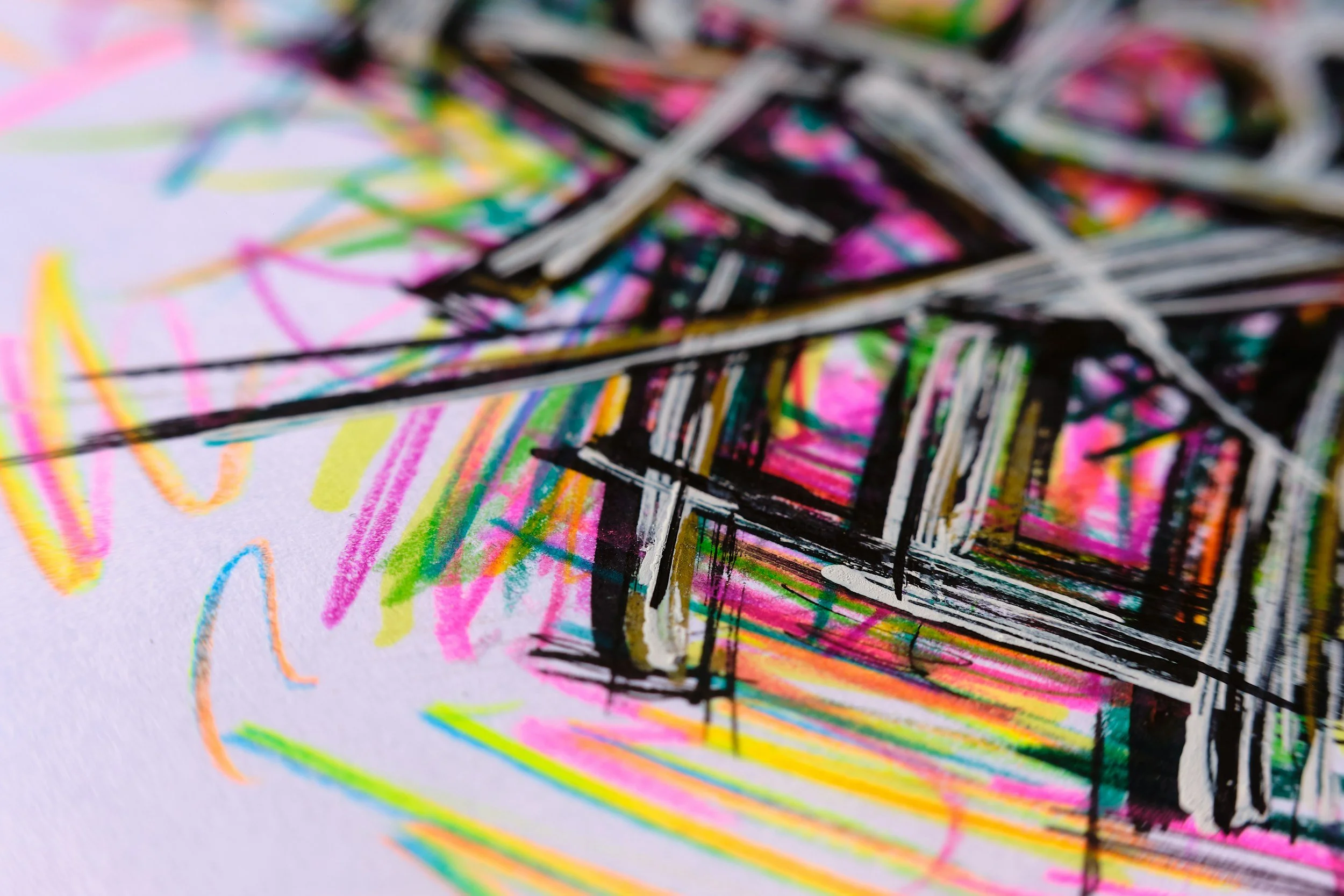
scribbling lines on scrap paper
feeling the drag of a crayon or pen
noticing pressure, speed, or movement—without fixing anything
There’s no goal to reach.
No meaning to extract.
No expectation to finish.
The value is in the doing, not the result.
For many people, this is the first way slowing down feels accessible rather than aspirational.
You Don’t Need Special Materials
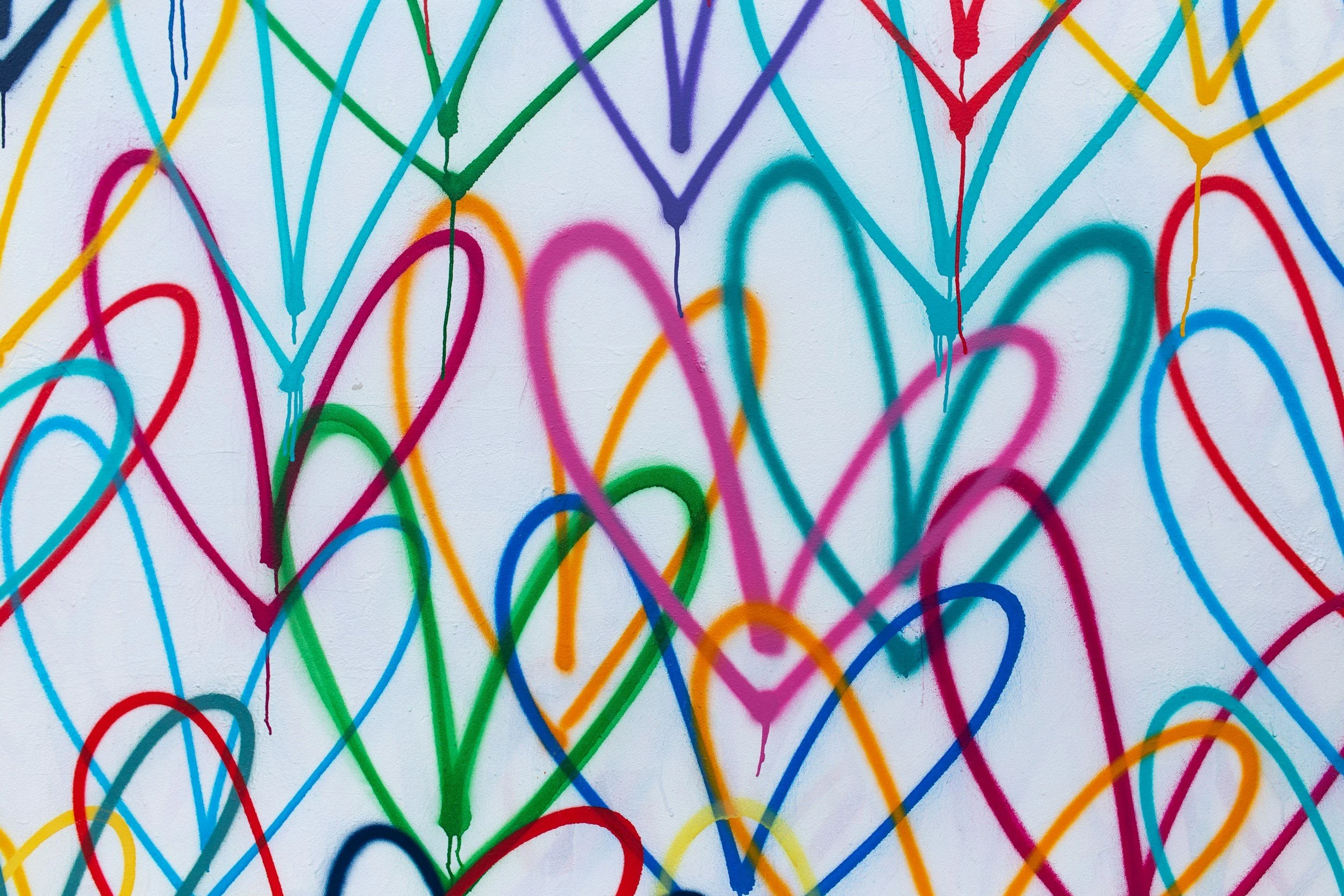
One of the biggest misconceptions about creative practice is that it requires the “right” setup.
In reality, what matters most is feedback — materials that let your hands feel where they are in space.
That might be:
a pen that pushes back slightly
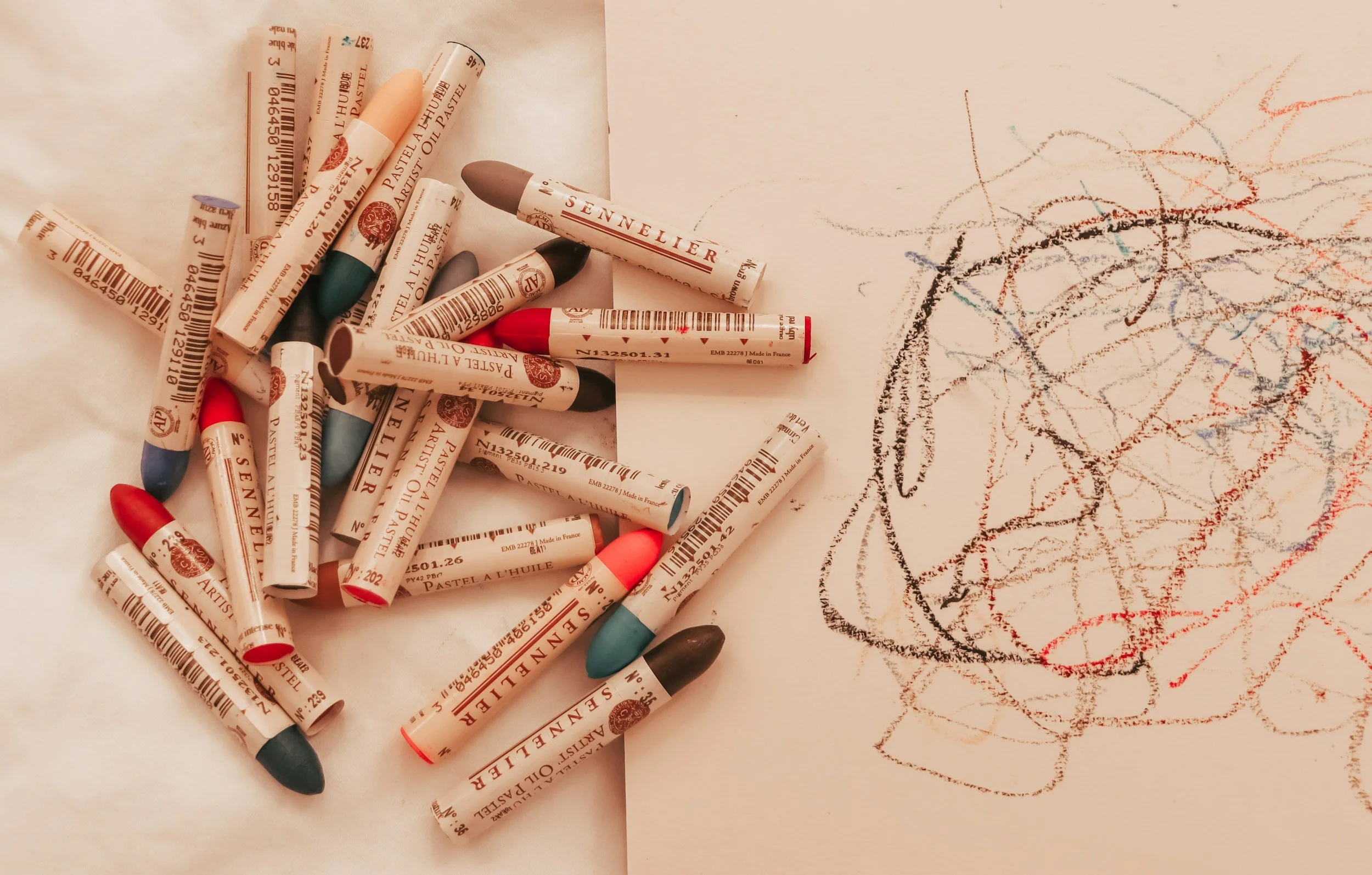
crayons or oil pastels
heavier paper, if you have it
or whatever is already nearby
If all you have is a child’s art bin or the back of an envelope, that’s enough.
This Isn’t About Making Art
This practice isn’t about making something beautiful or meaningful.
It’s about:
reducing initiation pressure
letting the body lead
creating a pause that doesn’t require silence
Many people find this works when other tools don’t—especially if sitting still, “clearing your mind,” or doing things correctly has never felt supportive.
What is a regulating creative practice?
A regulating creative practice is a low-pressure way of using simple art-making to slow down and reconnect without needing skill, insight, or preparation. Instead of focusing on outcomes, it emphasizes small, sensory actions that help you begin where you are.
Do I need to be artistic for this to work?
No. This practice is not about making art or being creative in a traditional sense. It’s about movement, sensation, and presence. Stick figures, scribbles, and unfinished pages are all part of the process.
How is this different from journaling or meditation?
Many people find journaling and meditation require more focus, stillness, or insight than they have access to when overwhelmed. A creative practice offers something physical to do with your hands, which can make slowing down feel more accessible and less demanding.
What supplies do I need to start?
You can begin with whatever you already have: scrap paper, a pen, crayons, or markers. Some people enjoy heavier paper or thicker tools because they provide more physical feedback, but nothing special is required.
How much time does this take?
This practice is designed to work in very small windows of time. Even one or two minutes can be enough. Stopping early or returning later is part of the rhythm, not a failure.
Is this a form of art therapy?
No. While the practice is informed by expressive arts practices, Mindful Messes is not therapy and does not replace mental health treatment. It’s a non-clinical, creative wellness practice designed for everyday life.
Where can I practice this with guidance?
This practice is explored week by week inside The Scribble Sessions on Substack. Free subscribers receive regular creative invitations, and paid members are invited to monthly live workshops where we practice together in a slow, supportive way.
Where to Go Next
If this approach resonates, the next step isn’t doing more on your own.
It’s practicing inside a regulating rhythm, with structure that reduces decision-making instead of adding to it.
The Scribble Sessions on Substack is where this practice lives week to week.
Free subscribers receive ongoing creative invitations.
Paid members are invited into monthly live workshops where we practice together—slowly, without pressure.
You don’t need to be ready.
You just need a place to land.
If you’re craving more grounding, creativity, and connection, you’re welcome in this growing community of moms learning to feel, make, and become themselves again.
I offer in-person parent–child art groups, creative workshops and trainings throughout Monmouth County and across New Jersey, as well as The Scribble Sessions — my online Substack platform where we explore creative rituals, nervous system support, and ways to soften the messiness of everyday life.
You don’t have to do this alone. Come create alongside us.