How Scribbling Helps You Slow Down (When Meditation and Journaling Don’t Work)
For anyone standing in the middle of the mess — Mindful Messes, a creative, nervous-system-first approach for overwhelmed and neurodivergent moms who want to feel like themselves again.
If meditation has never worked for you, you’re not alone.
For many overwhelmed adults, practices that rely on stillness, silence, or insight can actually increase pressure. Journaling turns into rumination. Deep breathing feels impossible. Sitting quietly makes everything louder.
This is where scribbling offers a different way in.
Not as an art exercise — but as a body-led practice that meets you where you are.
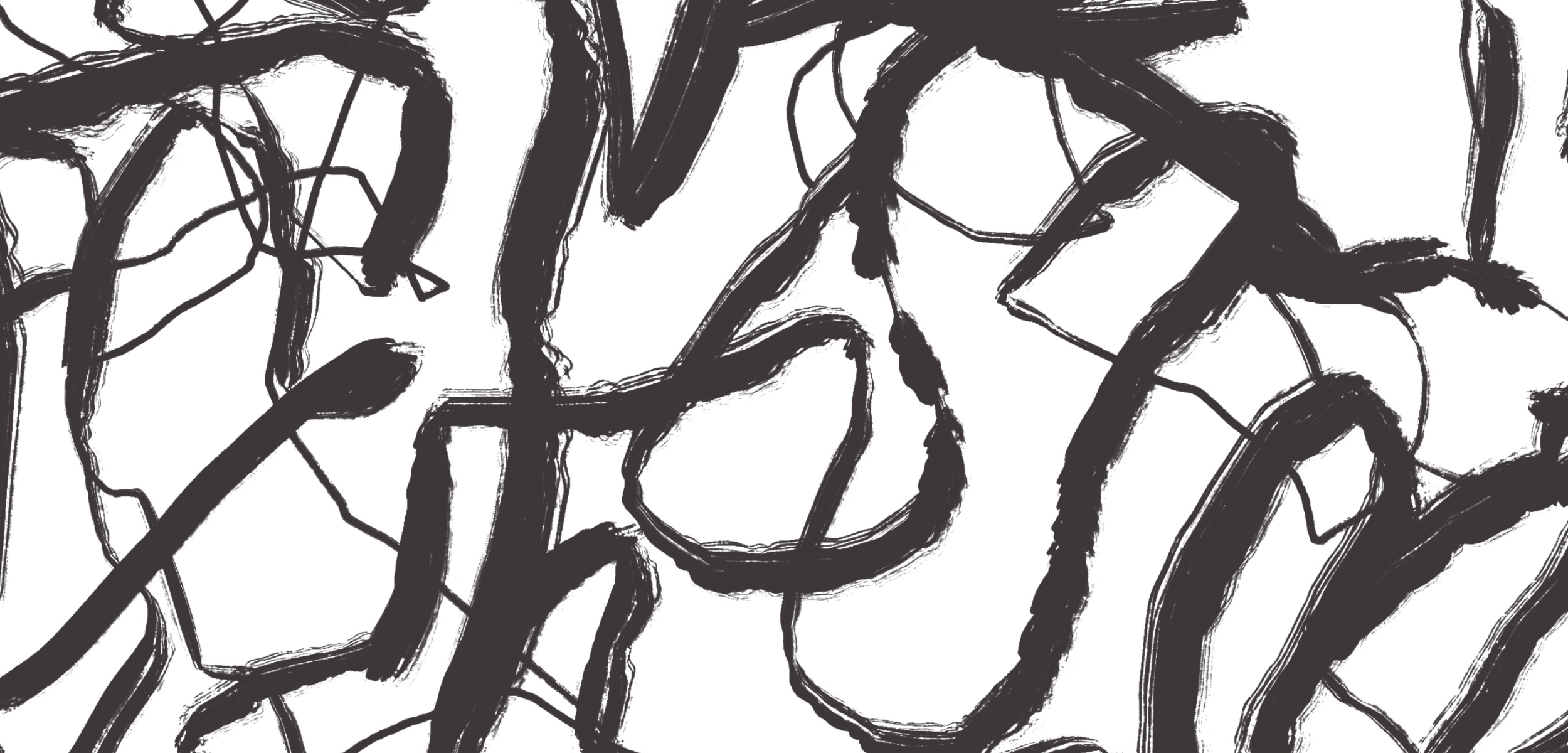
Why Scribbling Works When Other Practices Don’t
Scribbling doesn’t ask you to:
calm down first
make sense of your feelings
use the “right” words
sit still or empty your mind
Instead, it gives your hands something rhythmic and physical to do.
The movement itself becomes the anchor.
For many people, this is the first time slowing down feels possible rather than performative.
What Scribbling Actually Is (And Isn’t)
Scribbling is not:
doodling something cute
drawing with intention
creating a finished image
It is:
continuous movement
pressure, speed, and direction
letting marks happen without correcting them
You don’t need to know what you’re expressing.
You don’t need to interpret the page afterward.
Stopping is allowed. Starting again is allowed. There is no “right” outcome.
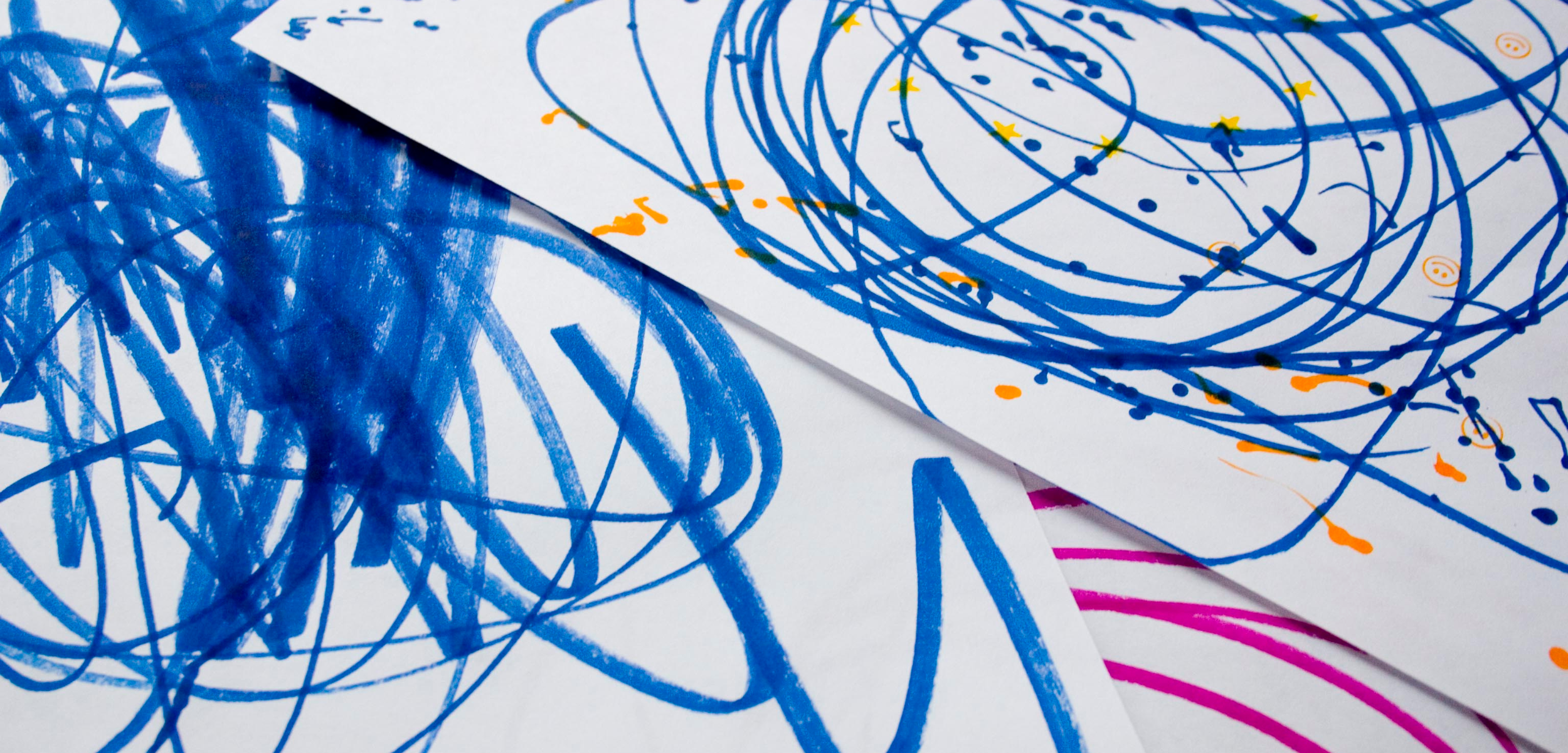
Materials That Support Slowing Down
Scribbling works best with tools that give feedback.
That might include:
crayons or oil pastels that resist slightly
markers that glide but still register pressure
heavier paper that holds movement
These materials help your body register: I’m here. Something is happening.
But again—nothing special is required. What matters is accessibility, not perfection.
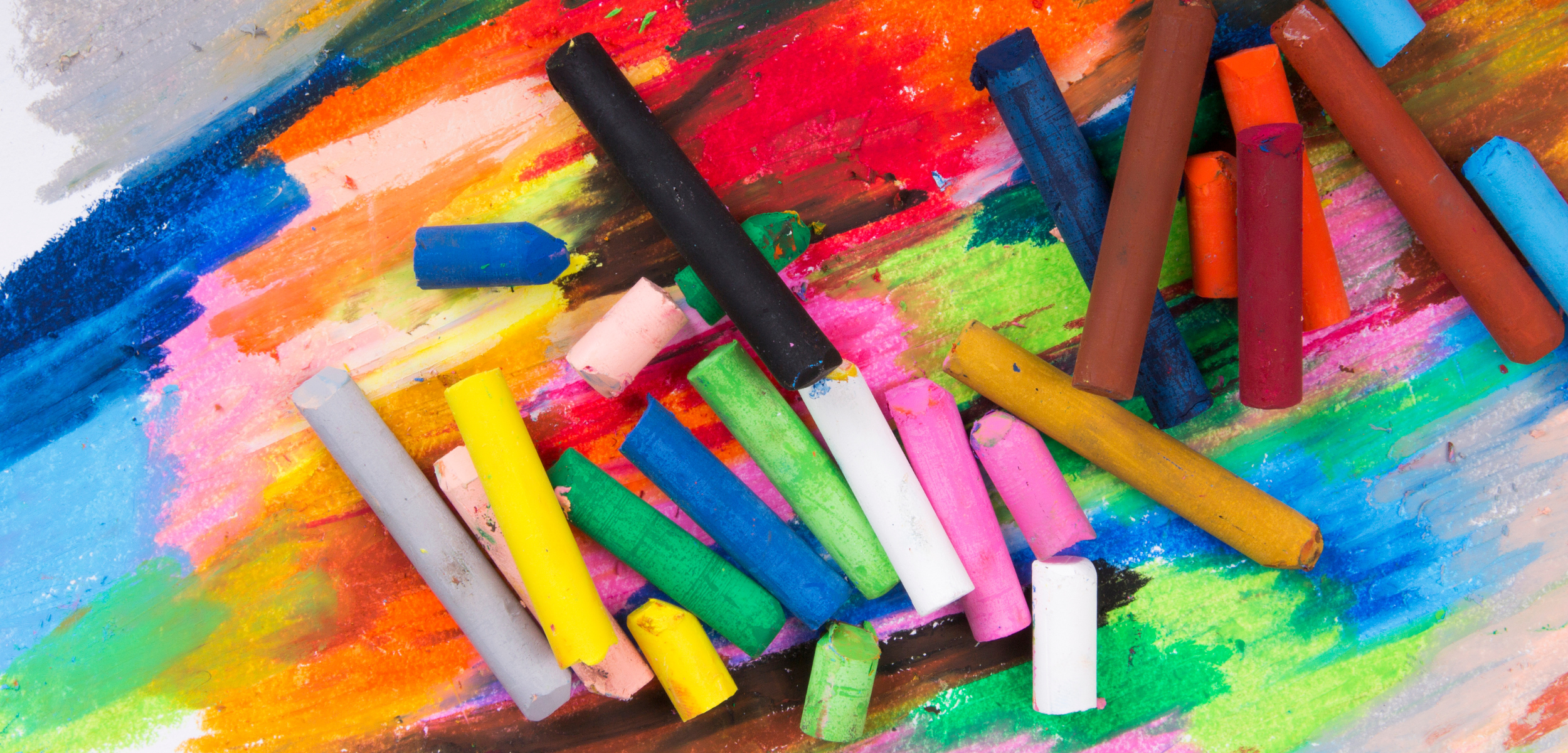
Why This Is Especially Helpful for Overwhelmed Moms
When you’re carrying mental load, emotional labor, and constant responsibility, practices that demand focus or insight can feel like one more thing to do wrong.
Scribbling removes the performance layer.
It allows:
brief pauses instead of long sessions
imperfect participation
regulation without explanation
Many moms describe it as the first practice they can return to without guilt.
FAQs
What do you mean by “scribbling”?
Scribbling is continuous, unstructured mark-making without trying to create an image or express a specific idea. It’s about movement, pressure, speed, and letting your hands lead without correcting or evaluating what appears on the page.
How does scribbling help you slow down?
Scribbling gives your body something rhythmic and physical to focus on, which can naturally reduce mental urgency. Instead of trying to calm your thoughts, you engage your hands and let slowing down happen indirectly.
Is scribbling the same as doodling?
Not exactly. Doodling often involves shapes, symbols, or decoration. Scribbling is more repetitive and process-focused, with no intention to make something recognizable or finished.
Why might scribbling work when meditation doesn’t?
Meditation often relies on stillness and internal focus, which can feel activating or frustrating when you’re already overwhelmed. Scribbling allows movement and sensory input, making it easier for many people to stay present without pressure.
What materials work best for scribbling?
Tools that offer some resistance or feedback tend to work well, such as crayons, oil pastels, or markers on thicker paper. That said, the best materials are the ones you can reach easily and return to often.
Is this practice helpful for overwhelmed moms?
Yes. Many moms find scribbling easier to return to than other self-care practices because it doesn’t require quiet, long stretches of time, or doing things “right.” It fits into real life and can be done alongside other responsibilities.
Where can I learn more or practice regularly?
The Scribble Sessions on Substack is where this practice is explored in an ongoing way. Free subscribers receive weekly prompts, and paid members begin each month with a live workshop focused on practicing together rather than performing or improving.
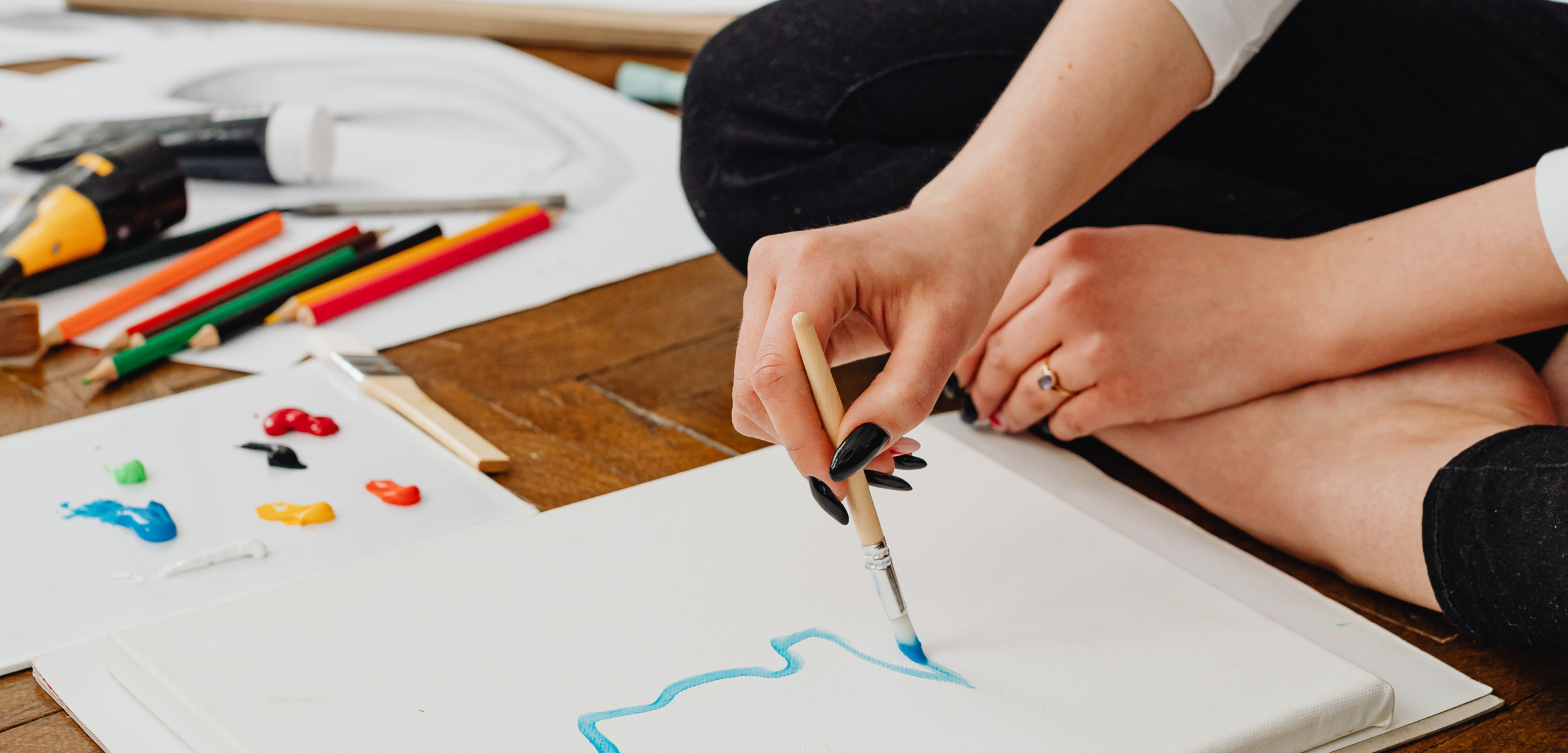
A Place to Return
If you’ve made it this far, you don’t need more convincing or instruction. You already know whether this kind of practice fits you.
Scribbling isn’t something to master or add to a routine. It’s something you can return to when words are too much, when stillness feels impossible, or when slowing down needs to happen through your hands instead of your head.
Some people try this once and keep it in their back pocket. Others discover they need a steadier place to come back to it, with just enough structure to make returning feel easier.
If that’s you, The Scribble Sessions on Substack is where this practice continues in a slow, supported rhythm — with weekly invitations and monthly live workshops that prioritize participation over performance.
You don’t need to decide anything now.
Just know there’s a place you can return when you’re ready.
If you’re craving more grounding, creativity, and connection, you’re welcome in this growing community of moms learning to feel, make, and become themselves again.
I offer in-person parent–child art groups, creative workshops and trainings throughout Monmouth County and across New Jersey, as well as The Scribble Sessions — my online Substack platform where we explore creative rituals, nervous system support, and ways to soften the messiness of everyday life.
You don’t have to do this alone. Come create alongside us.